
8th January 2026
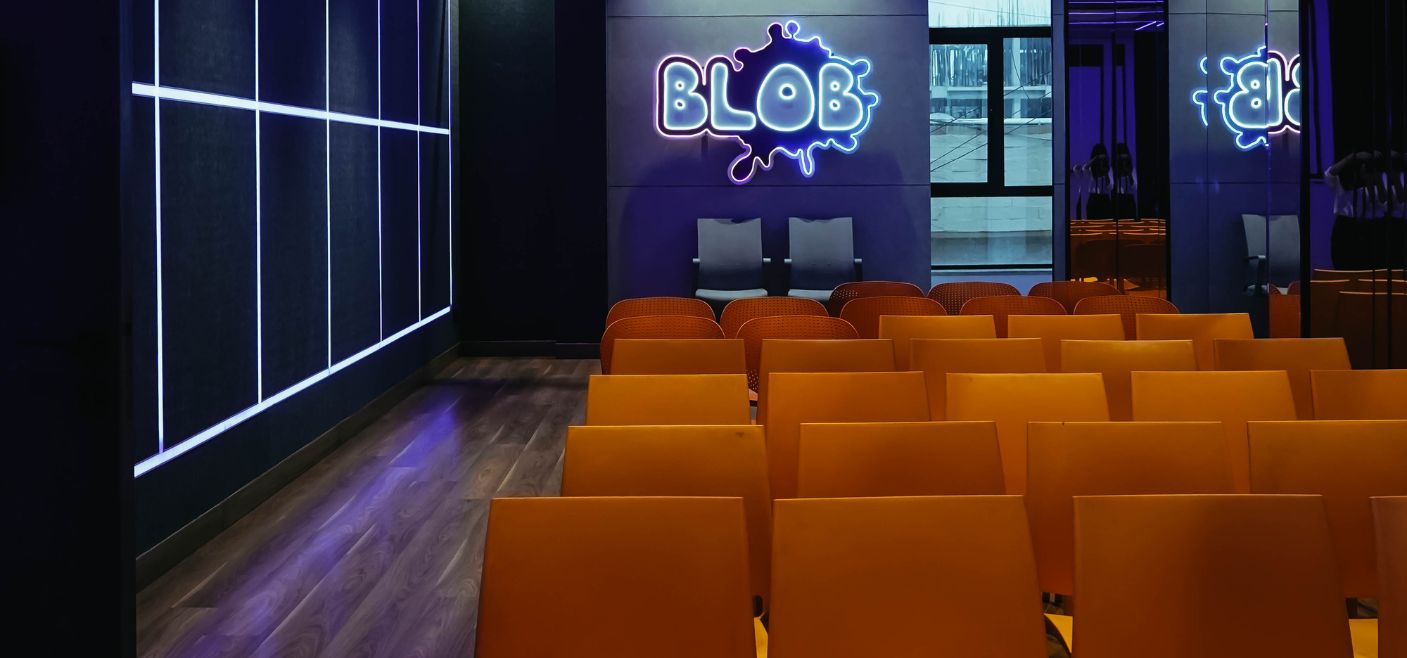
Creative spaces are evolving faster than most people realise. What worked brilliantly five years ago feels stale now. The dancers, artists, musicians, and creators who use these spaces have changed how they work, what they expect, and what they're willing to tolerate. Studio owners who haven't kept pace are quietly losing clients to spaces that understand where things are heading.
I've spent enough time in various creative studios to notice patterns. The ones thriving in 2026 share certain qualities that have nothing to do with expensive equipment or trendy design. They've figured out what actually matters to people doing creative work, and they've built spaces around those insights rather than assumptions.
The old model of single-purpose studios is dying. Rent a dance studio in Kolkata and you get a room for dancing—nothing more. But creative work doesn't happen in neat categories anymore. Dancers need to film content. Musicians want to livestream performances. Their spaces transform easily—moveable partitions, adjustable lighting systems, and acoustic treatments that can be deployed or removed as needed. A room serves as a dance practice space in the morning, a photography studio in the afternoon, and an intimate performance venue in the evening.
This versatility matters economically too.
Every studio claims to be tech-enabled now, but most implement technology badly. They install expensive systems that break constantly or prove too complicated for regular users to operate without assistance. The result is equipment that impresses during tours but frustrates during actual use.
The smartest studio space in Kolkata locations in 2026 have figured out the balance. They provide professional-grade recording capabilities, livestreaming equipment, and content creation tools, but they've made these systems genuinely accessible. Good technology should be invisible—there when you need it, out of the way when you don't, and simple enough that you're not spending half your session figuring out how to make it work.
This includes basic infrastructure like reliable high-speed internet that can handle simultaneous uploads from multiple users. It means power outlets located where people actually need them. It means lighting that can be adjusted quickly without requiring a degree in stage management.
Progressive studios in 2026 build in these transitions deliberately. Comfortable seating areas that aren't afterthoughts. Natural light in spaces where people take breaks. Properly ventilated areas where physical exertion happens. Storage solutions that actually work so people aren't tripping over bags and equipment.
These details don't appear in promotional materials, but they determine whether a space supports sustained creative work or merely provides a room with mirrors.
Every studio talks about community, but most limit their effort to a corkboard where people can post flyers. Real community requires intentional design and ongoing cultivation.
The studios thriving in 2026 create structures that facilitate connection without forcing it. Shared calendars where people can find practice partners. Workshop spaces where experienced practitioners teach newcomers. Systems that introduce people working in complementary disciplines who might benefit from knowing each other.
This community dimension transforms studios from rental spaces into genuine hubs where creative networks form and strengthen. People stay loyal to spaces where they've built relationships, even when cheaper alternatives appear nearby.
Environmental consciousness has moved from nice-to-have to expected standard. Studios in 2026 that haven't addressed energy efficiency, waste reduction, and sustainable practices look increasingly out of touch.
Creative work doesn't happen in neat one-hour blocks. Sometimes you need fifteen minutes to run through a sequence. Other times you need four hours to work through a complex piece. Traditional studio booking systems force everyone into identical time slots that serve administrative convenience rather than creative needs.
The booking technology itself has improved too—mobile-friendly systems that let you reserve space spontaneously when inspiration strikes, rather than requiring advance planning that kills creative momentum.
These innovations aren't about gimmicks or trendy features that'll be forgotten next year. They represent a genuine evolution in understanding what creative practitioners actually need to do their best work.
If you're currently using a dance studio in Kolkata or other studio space in Kolkata that feels stuck in old patterns, you're probably tolerating limitations you've stopped noticing. Visiting newer, more thoughtfully designed spaces often reveals how much better the experience can be.
The studios winning in 2026 aren't necessarily the biggest or most expensive. They're the ones that genuinely understand creative work and have built environments that support it properly. For spaces designed around these principles, explore what's available at Blob—where the focus stays on enabling great work rather than just providing rooms.


